Let us rage together, choose to live, for there is hope we will see the landscape within us and beyond us be liberated and free of danger and violence, and filled with love, connection and autonomy.
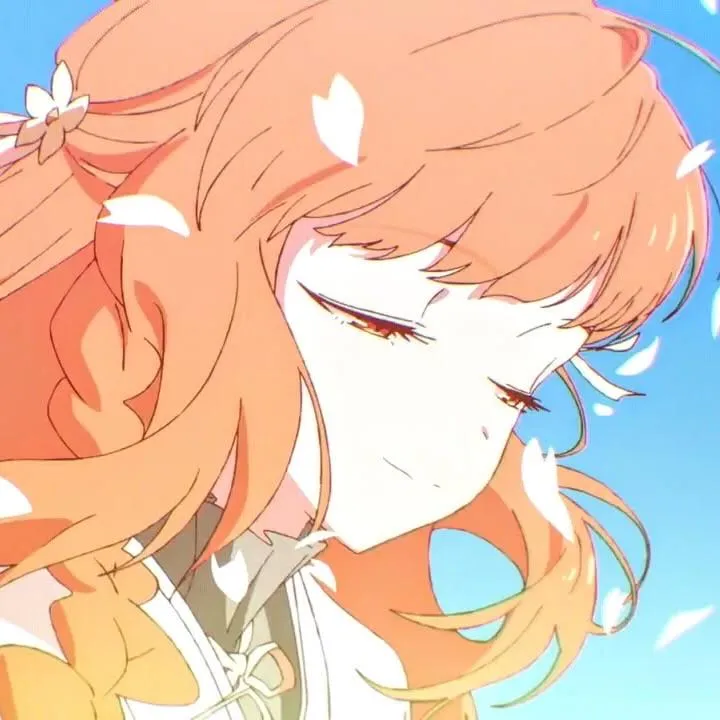
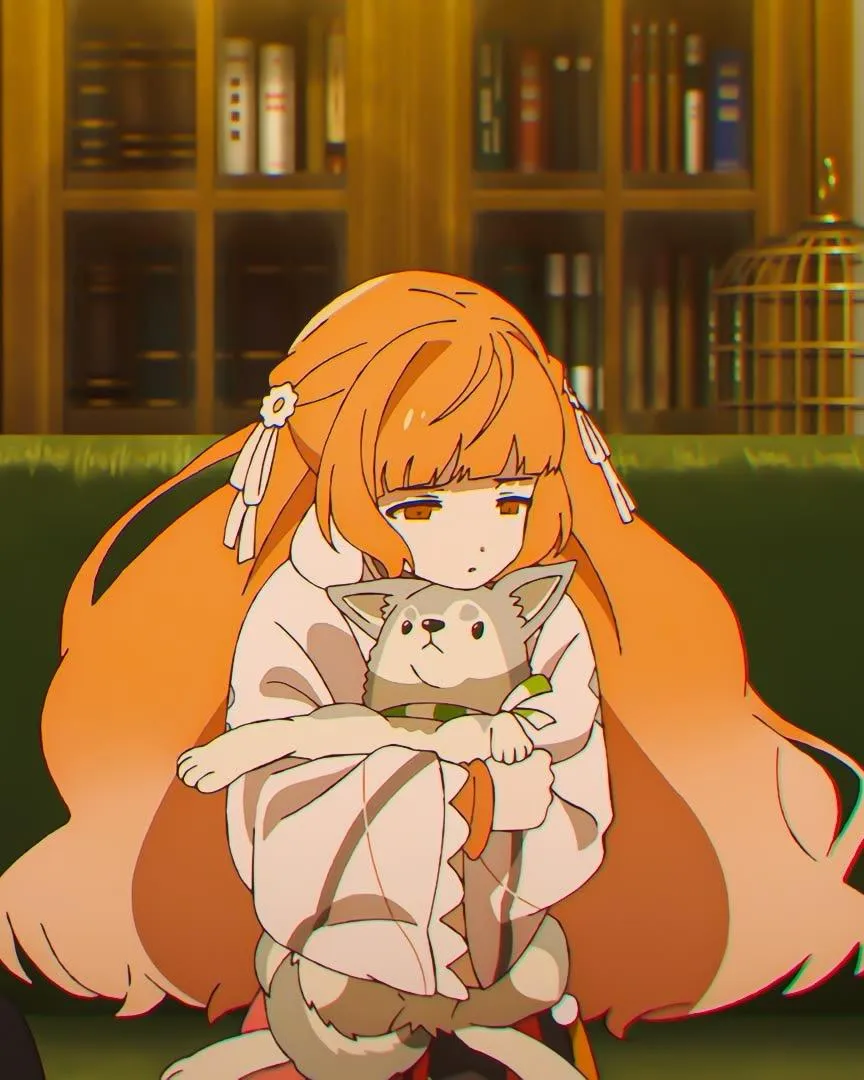
Animated by WIT studio, the story of Hinagiku as the spring agent with God-like powers is one that is touching and heartbreaking all at once. I initially titled this essay with Hinagiku as a trauma survivor, but reflecting back on the most recent episode, the anime beautifully and heartbreakingly depicts “Hinagiku” choosing death over suffering. In today’s world, with so much pervasive violence that permeates from our systems into our interpersonal worlds, it is understanding and common where faced with repeated danger and violence, hope seems almost impossible.
Before getting into Hinagiku’s character analysis, I do believe it is important to name a trope used in many stories that this viewer finds potentially dangerous. It is important to note, that her kidnapper endured systemic rape throughout her marriage, to the point she killed her husband. It is then, in the story and episode, we see that she herself is fractured and broken by the violence she had to endure.
This “hurt people, hurt people” trope is often if not always dangerous, as a society, we explain away mass violence such as rape, murder, an annihilation of people and other living beings as trauma playing out, when it couldn’t be further from the truth—rape culture in tandem with a violent society that pours resources and protection into abusers and violent systems is from the inception of nations states: through genocide and theft. Rape and torture are tools of genocide.
There are many stories that carve backstories for villains where there is some semblance of fullness—not necessarily to feel bad for the villain or explain away why they are wreaking havoc on those who have nothing to do with their place in the story—done well, we can see where a villains origin story begins with the very same systems of power that harmed them become the systems that exploit them.
Their redemption, if any, is accepting the consequences for their choices—rather, the illusion of choices. While the leader of the insurgents backstory is heartbreaking, for this viewer, it is not enough nor is it a mechanism I see as adding to the already compelling and powerful storytelling of “agents of the four seasons.“
Those who have endured violence throughout their lives, especially as children where those stages of our development are labeled as our “formative” years, is where many often experience the most cruelty.
We see ”Hinagiku” in a small room, surrounded by adults, mostly men under the command of one woman, a victim of gender-based violence and rape, ready to inflict such cruelty on a child, to possess that child’s powers.
Through visceral imagery of Hinagiku’s parts depicting hopelessness and hope, we see one part of Hinagiku make the decision, she’s had enough. She’s ready to reunite with her mother. The part of Hinagiku that represents hope and trust in those who tried protecting her when she was first kidnapped, is reborn—with rage. A rage that is potent as her powers pierce through the very people who were okay with harming her, demolishing the building where she was held captive.
The spring agent brings to mind what it means to explore not just a season and her power as a landscape, it also opens up a lens of exploring her and her experiences as well. When we imagine or picture a landscape, we might envision an open space, land, sea—some kind of scenery and environment. As Hinagiku endures physical violence from the woman who kidnapped her, we see a landscape of two Hinagiku's, with such space between them, depicting the gap between hope and despair.
Repeatedly being told “no one is going to save you” and ”endure this as I have,” it’s important to remember the history of Hinagiku’s experiences—her mother died shortly after she was in her father’s custody; the spring village couldn’t care less of her life, her mother’s life—her own father blamed her for her mother’s death.
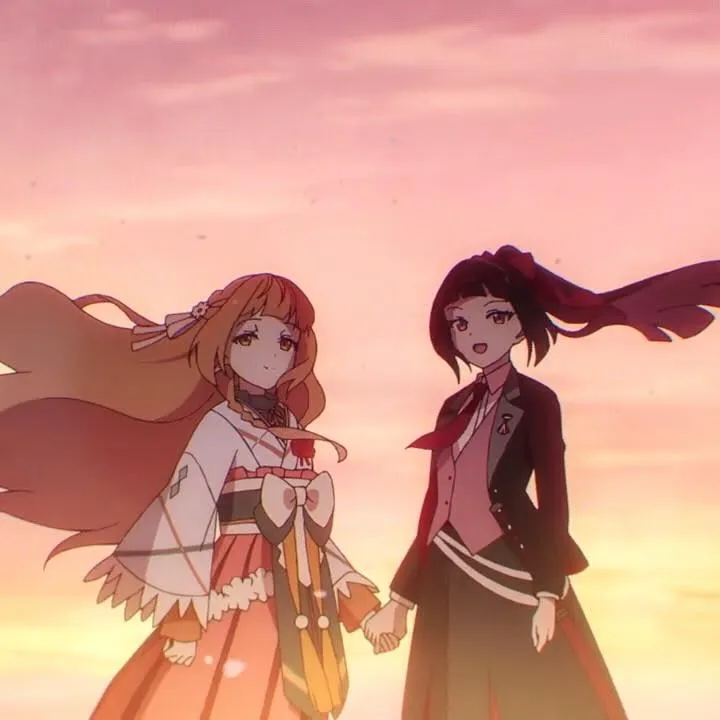
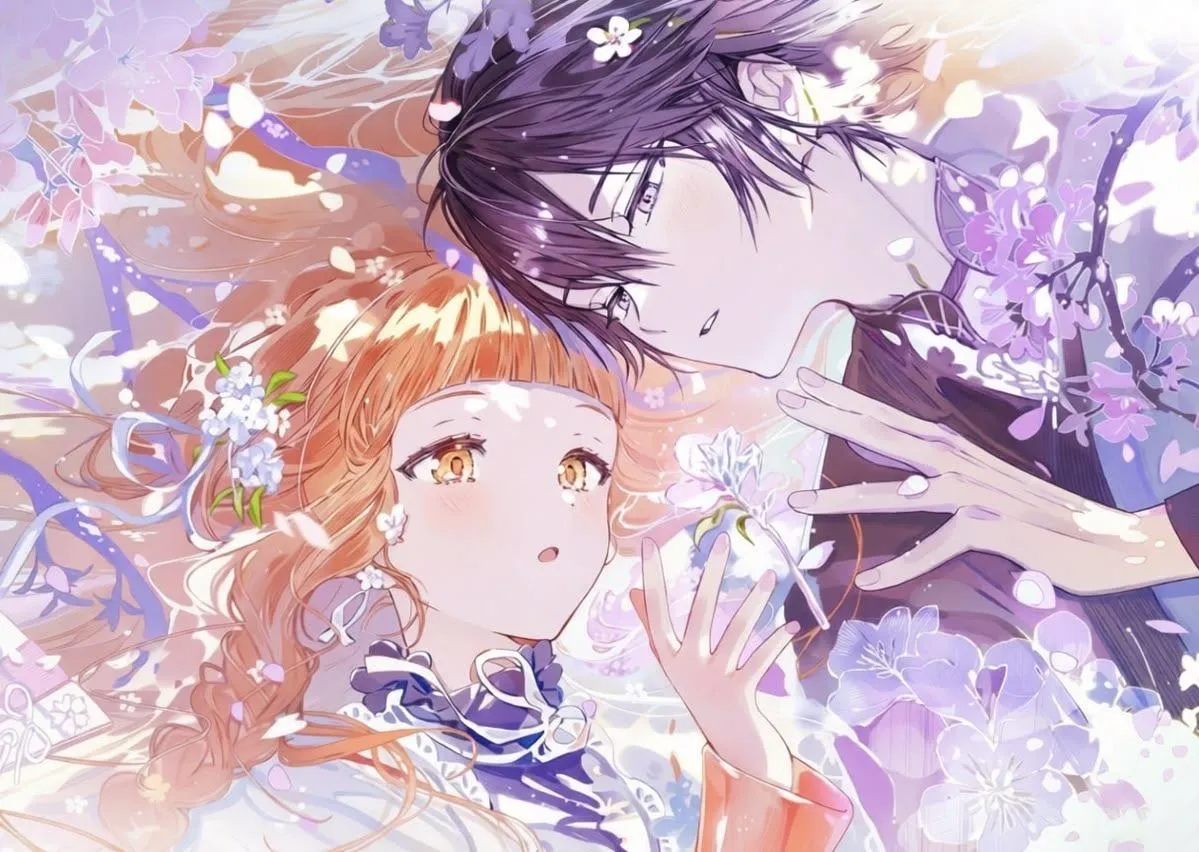
“Sakura” with her own experiences of abandonment and yearning to belong, brought light to Hinagiku’s life, which is beautifully reciprocated in return. “Rosei” and “Itecho” are other characters through their connection, care, kindness and love, fill Hinagiku with light, hope and courage.
Experiencing various forms of violence repeatedly can lead to a fractured sense of self: this is due to survival. We see this as Hinagiku asks herself: “who am I? Am I —? Or am I Hinagiku?“ Curled up in the small room where she’s held captive, on that tiny bed, any time she asserts her identity as Hinagiku, she is punished. The self that endured all that pain and suffering, could not withstand it anymore.
The Hinagiku that is reborn, goes from showing the result of her rage led to her freedom to the end of the episode of present time, shaking at the prospect of being captured again by the same person and group that abused her and broke her. It was a devastating witnessing her suffering, and cathartic to see her rage.
When met with violence, survival responses that are automatic can be be fight, flight, fawn/freeze. The part of our brain that senses danger prioritizes our survival, which impacts other aspects of our development: like fragmented memories, or fragmented parts of the self.
To watch this series, this episode in particular should be done so with care—care for you as the viewer, and care by those around you if possible. To see a character rage against her abusers, her captors: it was beautiful to see. As victims and survivors, we are not allowed to rage.
We are to wait for permission to feel, express and be—our pain and suffering makes others uncomfortable, our anger as unreasonable. To see Hinagiku, a precious child who saved those she loves, to then suffer resulting in a part of her dying, to resurrect into a powerful and full of rage spring God—i couldn’t help but think of all of us who experienced such pain and suffering, where we lost parts of ourselves, with hopes to resurrect into powerful and rageful beings.
Where do we go from here? As anime only (for now), my hope is Hinagiku and the crew achieve their poetic justice: they chose to live. Live for themselves, and for each other. Let us rage together, choose to live, for there is hope we will see the landscape within us and beyond us be liberated and free of danger and violence, and filled with love, connection and autonomy.
 yas j·